A painting may look perfectly at home once it is hanging on a gallery wall, but getting there is rarely as simple as it appears. Long before visitors walk through the gallery doors, a painting begins a quiet journey of its own. It moves through studios, conversations, careful decisions, and sometimes even a few unexpected challenges before finding its place in an exhibition.
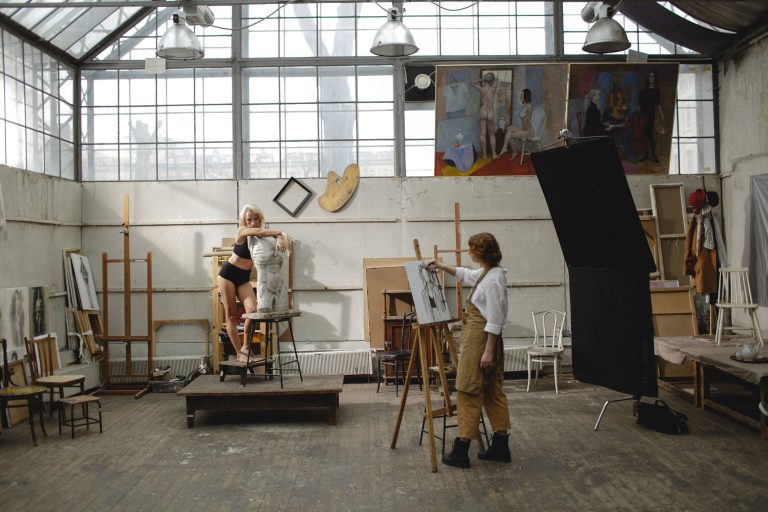
The journey often begins in the artist’s studio. This is where an idea slowly becomes an image. There may be sketches scattered across a table, unfinished canvases leaning against a wall, or layers of paint drying between sessions. Some paintings take shape quickly, while others develop over weeks, months, or even years. What eventually arrives at the gallery is only the final chapter of a much longer creative process.
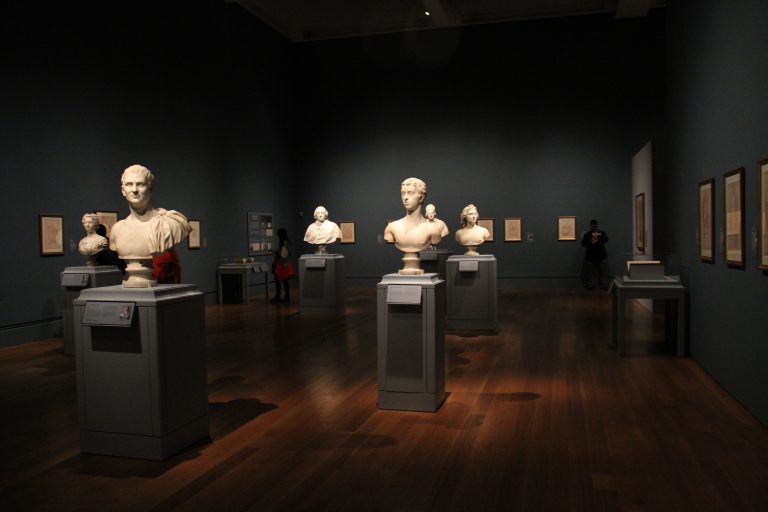
Once the painting is finished, the next stage is about understanding where it belongs. Curators look beyond the individual artwork and consider how it will communicate with the other pieces in the exhibition. A painting might be selected because of its subject, its colors, its scale, or the feeling it brings into the room. Sometimes, a work that seemed perfect on its own becomes even more meaningful when placed beside another piece.
This is where the curatorial vision begins to take shape. An exhibition is not simply a collection of paintings hung together. It is a conversation. Each artwork contributes something to that conversation, and its position can influence how visitors experience it. The same painting can feel completely different depending on what surrounds it, how much space it has, and where the viewer first encounters it.
Then comes the practical side of the journey. Paintings need to be transported safely, especially when they are large, delicate, or particularly fragile. Measurements are checked, frames are inspected, and hanging hardware is prepared. Gallery teams carefully plan how each work will enter the space and where it will eventually be installed.
Installation day can be both exciting and surprisingly quiet. The gallery may look very different from how visitors imagine it. Walls are still being measured, tools are out, packaging is being opened, and people are moving carefully from one task to another. A painting that has spent months in an artist’s studio can suddenly be standing in the middle of a gallery, waiting for its final position.
And that final position matters.
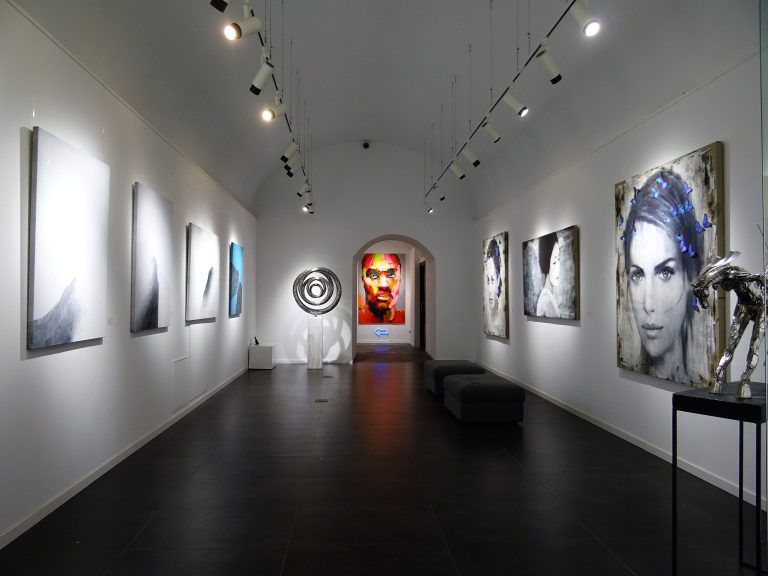
The height of a painting, the distance between works, the amount of empty wall around it, and even the lighting can change the way it is experienced. Curators and gallery teams often step back, look again, move something slightly, and repeat the process. It is a thoughtful balance between planning and instinct.
Eventually, everything begins to settle. The tools disappear. The packaging is cleared away. The walls become quiet again, and the paintings seem to take ownership of the space.
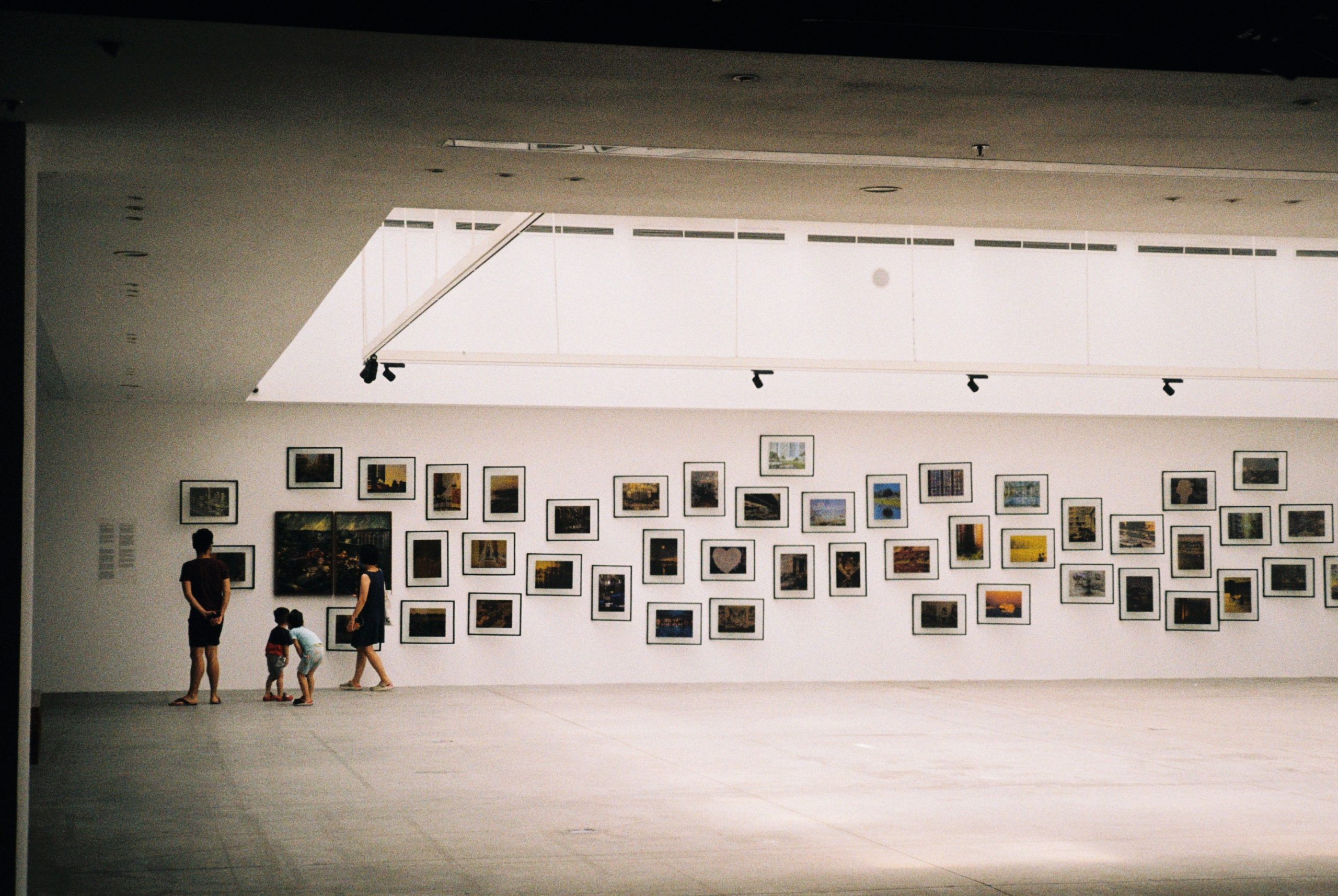
For visitors, the finished gallery may feel effortless. But behind that simplicity is a long chain of decisions, care, collaboration, and patience.
That is what makes the journey of a painting so interesting. Reaching the wall is not the end of its story, but a new beginning. Once it meets its audience, the painting starts another journey—one shaped not by the artist or curator, but by every person who stops, looks, and finds something of their own within it.