
What is it that makes a piece of art unforgettable?
Is it technical perfection, or is it something deeper—something that quietly speaks to us long after we’ve walked away? Throughout history, art has challenged the idea that beauty must be flawless. Instead, it has shown us that imperfections often become the very details that give a work its meaning, character, and emotional depth.
The beauty of art lies not in perfection but in authenticity.
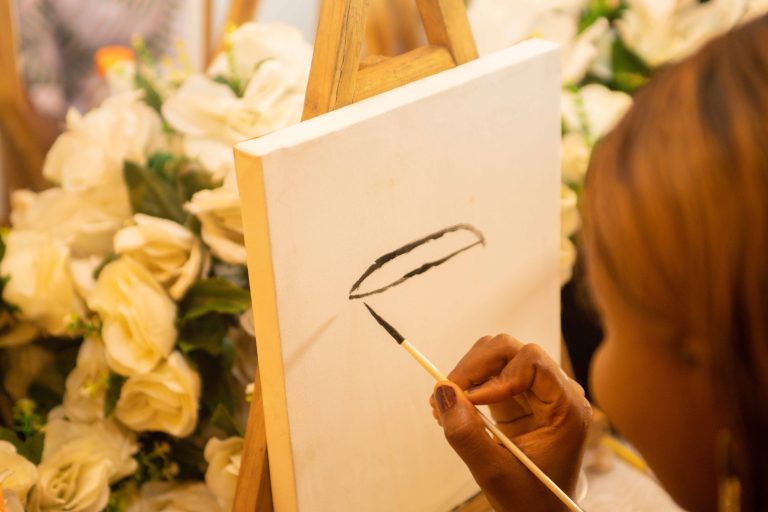
Every masterpiece begins with uncertainty. An artist’s hand moves across a blank canvas without knowing exactly where inspiration may lead. A sculpture evolves through countless decisions, textures, and subtle changes. What may seem imperfect at first glance often becomes the defining element of a remarkable creation.
Art has always reflected the human experience, and human experiences are beautifully imperfect.
In today’s world, perfection is often celebrated. We are surrounded by carefully curated images, polished designs, and idealized standards of beauty. Yet, when we visit an art gallery or discover a piece that truly resonates with us, it is rarely perfection that captures our attention. It is emotion. It is originality. It is the story hidden within every brushstroke.
Imperfection gives art its soul.
Visible textures, layered paint, expressive lines, and unconventional compositions invite us to look beyond aesthetics and connect with the artist’s creative journey. These qualities transform artwork from something decorative into something meaningful.
The world’s most admired artistic traditions have embraced imperfection in their own unique ways. Contemporary art celebrates experimentation. Abstract art thrives on spontaneity and interpretation. Fine art values emotional expression as much as technical mastery. Even minimalist works often rely on subtle irregularities that create depth and character.
When collecting artwork, many people discover that the pieces they cherish most are those that evoke emotion rather than perfection. A painting may remind someone of a cherished memory. A sculpture may inspire reflection. An original artwork may simply bring a sense of calm to a living space.
The relationship between art and the viewer is deeply personal.
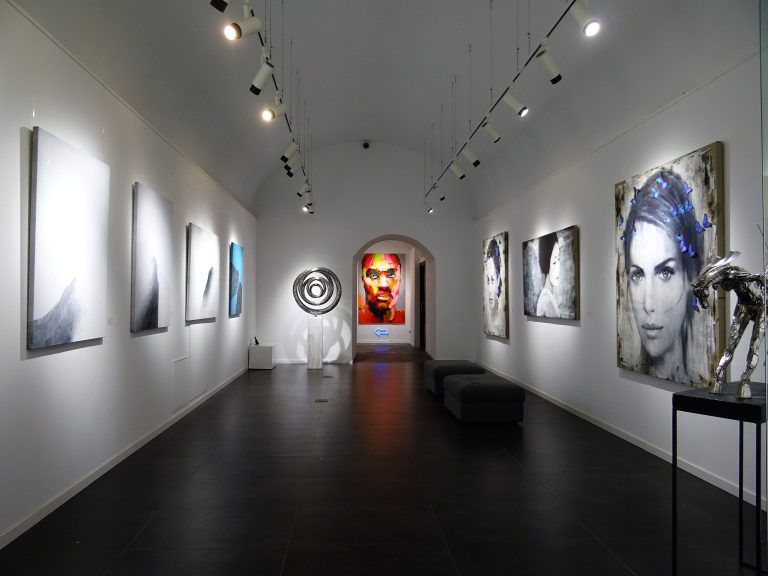
This is why curated art collections are so powerful. They offer an opportunity to explore diverse artistic perspectives and discover works that speak differently to every individual. Whether you’re drawn to contemporary paintings, modern wall art, mixed-media creations, or limited-edition pieces, each artwork carries its own unique story.
Imperfections often become the details that make these stories memorable.
Consider the creative process itself. Artists frequently embrace unexpected moments during creation. A change in color palette, an expressive texture, or an unplanned composition may become the most captivating aspect of a piece. Creativity thrives when there is room for discovery.
Some of the most compelling artworks emerge not from rigid planning but from artistic freedom.
Imperfection also connects art to everyday life. Nature is imperfect, yet endlessly beautiful. No two leaves share the same shape. No sunset appears exactly alike. Even the most iconic architectural designs reveal subtle variations that make them distinctive. Art simply reflects what already exists around us—a world filled with individuality and endless creative expression.
The spaces we choose to surround ourselves with matter. Art has the ability to transform interiors, spark conversations, and create emotional connections within our homes and workplaces. A thoughtfully selected piece of original artwork can become the focal point of a room while telling a story that continues to evolve over time.
That is the timeless appeal of fine art—it grows with us.
When exploring artwork, it can be rewarding to learn about the artist’s inspiration, creative techniques, and artistic philosophy. Understanding the process behind a piece often reveals that what appears imperfect was, in fact, an intentional expression of creativity and emotion.
Art is not meant to be rushed or reduced to simple definitions. It invites curiosity. It encourages us to ask questions and discover new perspectives. Every gallery visit, every curated collection, and every artistic discovery becomes part of that ongoing conversation.
Perhaps perfection has never been the goal of art.
Its true purpose is connection—to inspire, to provoke thought, and to celebrate the extraordinary beauty found in individuality. The imperfections we notice are often the very qualities that make a work of art impossible to forget.
The next time you encounter a piece that captures your attention, look beyond its surface. Notice the textures, the subtle details, and the emotions it evokes. Within every imperfection lies a story waiting to be discovered.
Because the most beautiful art doesn’t strive to be perfect—it simply strives to be real.