In the middle of the 19th century, Europe was changing at a breathtaking pace. Cities were expanding, railways connected distant places, and industrialization transformed everyday life. In France, the streets of Paris were being redesigned into the broad boulevards that still define the city today. Amid this rapid change, artists found themselves asking an important question: Should painting continue to follow centuries-old traditions, or should it capture the world as people actually experienced it?
The answer to that question gave birth to one of the most influential movements in art history—Impressionism. More than a new style of painting, Impressionism fundamentally changed how artists understood light, color, and the fleeting nature of everyday life. Its influence continues to shape photography, filmmaking, and modern visual culture, reminding us that light is never still and that every moment is unique.
A World Ready for Change
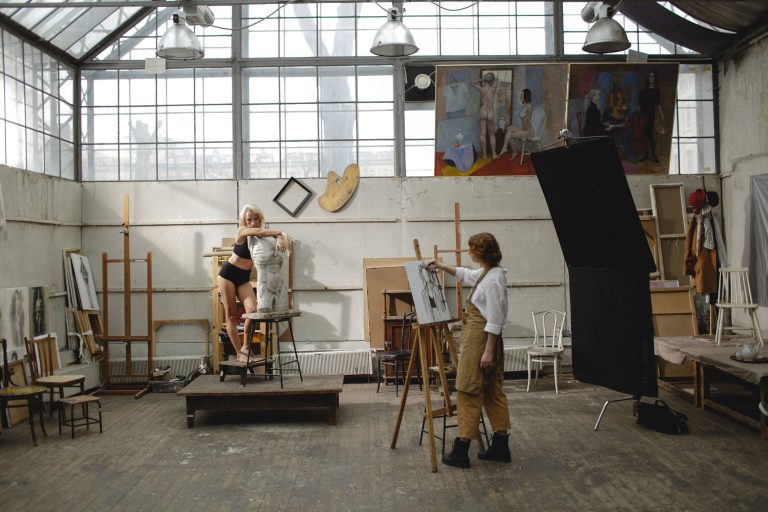
Before Impressionism emerged, the art world was dominated by strict academic traditions. Historical events, religious scenes, and mythological subjects were considered the highest forms of art. Paintings were carefully planned in studios, with smooth brushstrokes that concealed the artist’s hand. Light was often idealized rather than observed directly from nature.
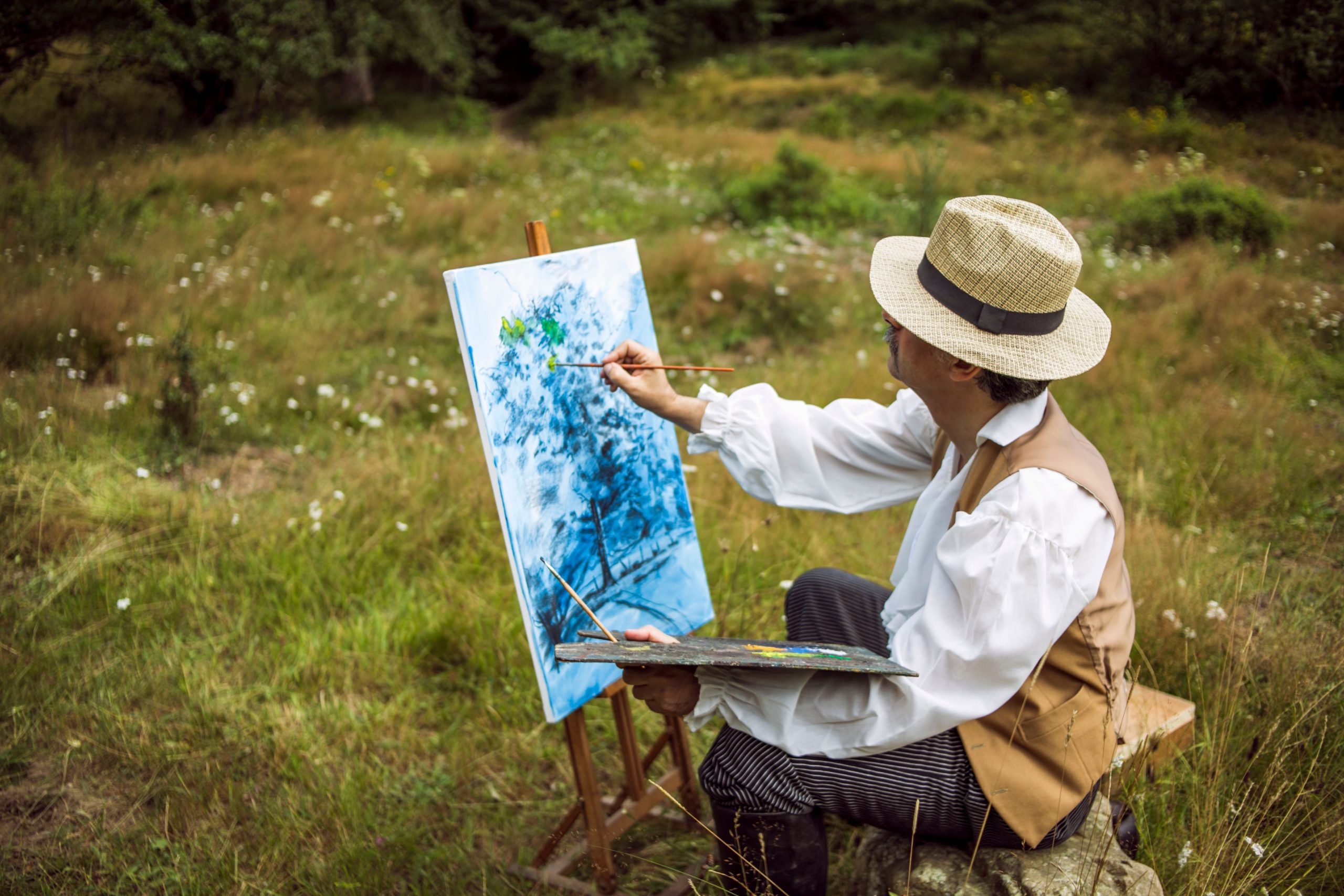
However, society itself was becoming more modern. Scientific discoveries deepened people’s understanding of optics and color, while new technologies made travel easier. Portable paint tubes, introduced in the 1840s, allowed artists to leave their studios and paint outdoors for extended periods. Instead of imagining landscapes, they could observe changing skies, shifting shadows, and reflections firsthand.
This new freedom encouraged artists to focus less on perfect detail and more on capturing a single, living moment.
Why Impressionism Emerged
A group of young French painters became increasingly frustrated with the conservative standards of the official art exhibitions. Their works, often depicting parks, rivers, cafés, and ordinary people, were repeatedly rejected because they seemed unfinished compared to traditional paintings.
Rather than accept these limitations, the artists organized their own independent exhibitions. Critics initially mocked their work, particularly after seeing a painting titled Impression, Sunrise. The word “Impression” was intended as an insult, suggesting the paintings were merely rough sketches. Instead, the artists embraced the label, and Impressionism was born.
Their goal was not to create flawless representations of reality. Instead, they wanted to capture the sensation of seeing—the instant when sunlight strikes water, clouds drift across the sky, or evening shadows transform familiar streets.
The Revolutionary Language of Light
What made Impressionism truly revolutionary was its treatment of light.
Traditional painters often used dark outlines and blended colors to create realistic forms. Impressionists approached the same subjects differently. They believed objects did not possess fixed colors. Instead, color constantly changed depending on the surrounding light, weather, and time of day.
To express this idea, they used short, visible brushstrokes that allowed the viewer’s eye to blend colors naturally. Rather than mixing every shade on a palette, they placed contrasting colors side by side, creating vibrant effects that seemed to shimmer.
Sunlight became the true subject of many paintings. Morning light appeared cool and blue, while afternoon sunlight glowed with warm gold. Snow reflected pink and lavender instead of plain white. Water mirrored changing skies in constantly shifting patterns.
This approach captured movement without relying on dramatic action. Even a quiet landscape appeared alive because the light itself was always changing.
Everyday Moments Became Extraordinary
Impressionism also transformed what artists considered worthy of attention.
Instead of focusing solely on kings, battles, or religious stories, Impressionist painters celebrated ordinary life. Families enjoying picnics, children playing in gardens, dancers rehearsing, boats drifting along rivers, and bustling city streets all became meaningful artistic subjects.
Light connected these everyday scenes. A familiar park looked completely different at sunrise than it did at sunset. A bridge reflected differently after rain than on a clear afternoon. The artists recognized that no two moments could ever be exactly the same.
This emphasis on fleeting experience encouraged viewers to appreciate beauty in the present rather than searching only for grand historical narratives.
A Lasting Influence on Art and Beyond
Although Impressionism initially faced criticism, it eventually transformed the direction of modern art. Later movements such as Post-Impressionism, Fauvism, and even aspects of Abstract art built upon its experiments with color and perception.
Its influence extends far beyond painting. Photographers carefully chase the “golden hour” because they understand how dramatically light shapes an image. Filmmakers use natural lighting to create emotion and realism. Designers, architects, and digital artists all consider how changing light influences mood, texture, and atmosphere.
Perhaps the movement’s greatest achievement is philosophical rather than technical. Impressionism taught people that reality is not fixed but constantly changing with perspective, atmosphere, and time. Two people can observe the same scene under different light and experience it in entirely different ways.
More than 150 years after its beginnings, Impressionism continues to inspire artists and audiences alike. By focusing on light instead of rigid perfection, it revealed that beauty often exists in the briefest moments—a sunrise reflected on water, sunlight filtering through leaves, or the soft glow of evening across a familiar street. In teaching us to notice these subtle transformations, Impressionism forever changed not only the history of art but also the way we see the world itself.