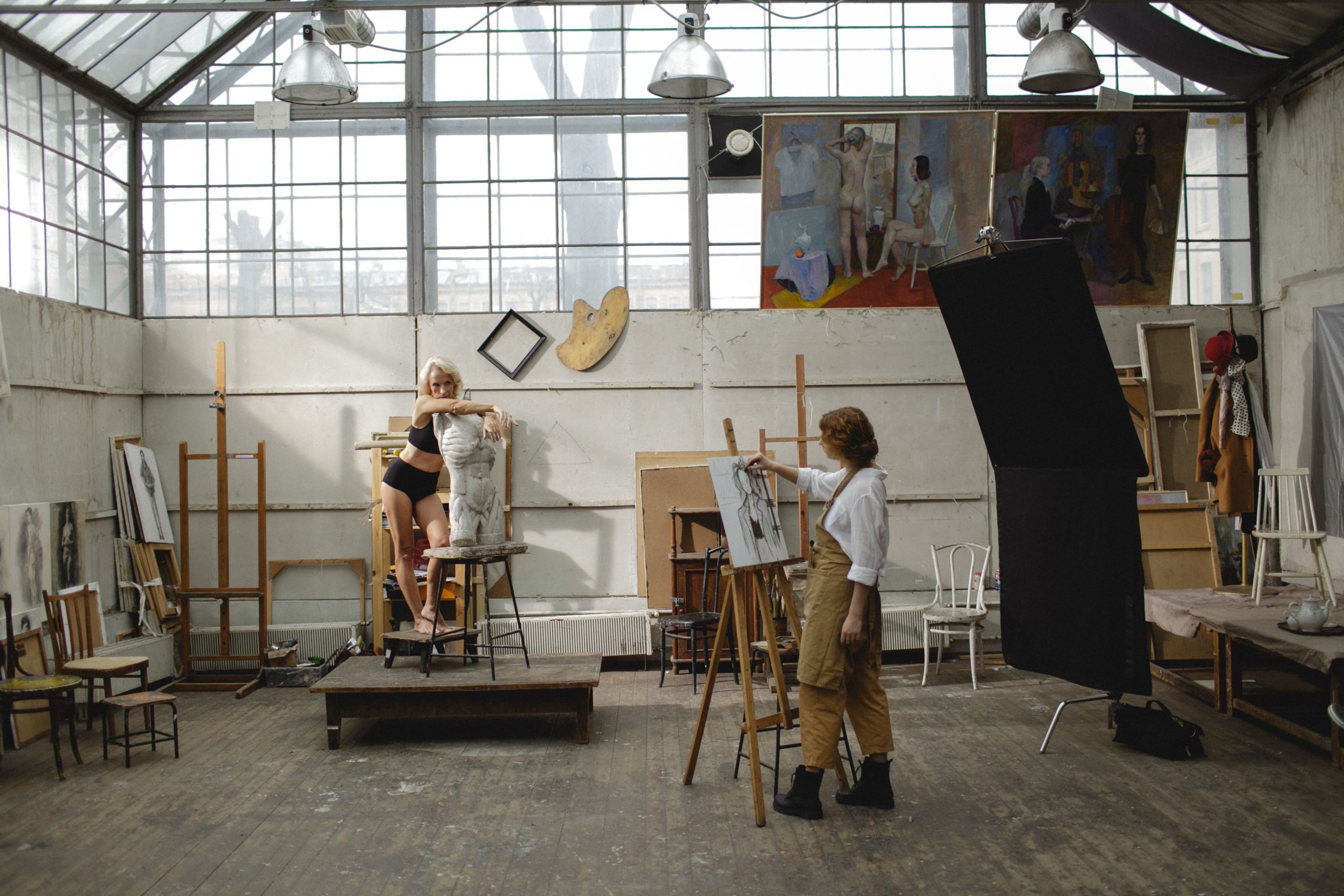
What happens to the human spirit when it stops creating?
It is a question that quietly lingers beneath the noise of notifications, deadlines, and endless routines. In a world that celebrates speed, efficiency, and productivity, creativity often appears to be an optional luxury—a pleasant hobby reserved for artists, musicians, and dreamers. Yet the truth is far more profound. Creativity is not a privilege for a gifted few. It is the language of every curious mind and every hopeful heart.
Perhaps creativity matters today more than it ever has before.
We live in an age overflowing with information but often starving for imagination. Facts surround us. Opinions compete for attention. Algorithms predict our choices before we make them. Amid this constant stream, creativity becomes an act of quiet rebellion. It reminds us that while machines can imitate patterns, only humans can breathe meaning into them.
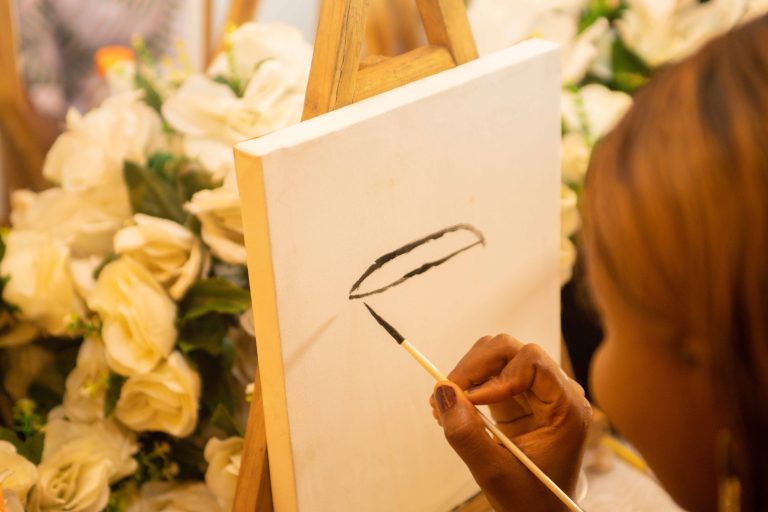
A blank canvas is not just a piece of cloth. A notebook is not merely paper. A melody is not simply a sequence of notes. They are invitations—to see differently, to feel deeply, and to discover something that did not exist before.
Creativity begins long before a masterpiece is born. It begins with a question.
“What if?”
Those two simple words have shaped civilizations. They inspired architects to reach toward the sky, scientists to challenge accepted truths, writers to imagine impossible worlds, and children to transform ordinary cardboard boxes into castles. Every meaningful innovation, every timeless story, and every unforgettable invention once lived as nothing more than a fragile spark of imagination.
Yet creativity is not confined to grand achievements. It quietly inhabits everyday life.
It lives in the parent inventing bedtime stories to comfort a restless child. It appears in the teacher finding a new way to explain a difficult lesson. It dances through the hands of a chef blending familiar ingredients into unexpected flavors. It smiles from the gardener arranging flowers with no audience except the morning sun.
These moments rarely make headlines, but they shape the texture of human life.
Creativity teaches us to notice.
It encourages us to see beauty in cracked sidewalks where tiny flowers bloom. It helps us hear music in rainfall and stories in old photographs. It reminds us that ordinary days carry extraordinary details, if only we choose to pay attention.
Perhaps that is why creativity feels so deeply connected to hope.
Whenever we create, we declare that the future can be different from the present. Every painting suggests another perspective. Every poem whispers another truth. Every solution to a difficult problem begins with someone refusing to believe that the current answer is the only answer.
In uncertain times, creativity becomes more than self-expression—it becomes resilience.
History repeatedly shows that even during wars, economic hardships, and personal loss, people continue to paint, write, sing, build, and dream. Creation does not erase suffering, but it transforms it. A song can carry grief. A novel can preserve forgotten voices. A sculpture can stand where words fall short. Through creativity, pain becomes purpose, and experience becomes connection.
This is why art often reaches places that arguments cannot.
A single photograph can awaken compassion more quickly than statistics. A novel can challenge prejudice more effectively than debate. A film can unite strangers in shared laughter or shared tears. Creativity speaks directly to the emotions, where lasting change often begins.
Ironically, many people hesitate to call themselves creative.
They compare their sketches to professionals, their writing to bestselling authors, or their ideas to polished innovations. Somewhere along the journey from childhood to adulthood, many of us begin believing that creativity requires perfection.
But creativity has never demanded perfection.
It asks only for honesty.
A child’s uneven drawing, a handwritten journal entry, a homemade meal prepared with love—these are not imperfect versions of creativity. They are creativity itself. The value lies not in flawless execution but in genuine expression.
The world does not need more perfect creators.
It needs more courageous ones.
People willing to experiment without guarantees. Individuals prepared to fail, revise, and begin again. Communities that celebrate originality rather than conformity. Creativity flourishes wherever curiosity is welcomed and fear is allowed to loosen its grip.
As technology continues to evolve, the uniquely human qualities become even more precious. Artificial intelligence can generate images, compose music, and write words, but it cannot replace the lived experiences, emotions, relationships, and memories that give human creativity its soul. The brushstroke carries the artist’s journey. The poem carries the poet’s heartbeat. The idea carries the dreamer’s hope.
That is why creativity remains timeless.
It reminds us that we are not merely consumers of the world—we are contributors to it. Every act of creation, however small, leaves a quiet imprint on the lives around us. A thoughtful conversation, a beautifully arranged room, a heartfelt letter, or an innovative solution all become evidence that imagination still thrives.
So perhaps the question is no longer whether creativity matters.
Perhaps the better question is this:
What kind of world are we creating, one small act of imagination at a time?
The answer does not belong only to painters, musicians, or writers.
It belongs to each of us, every single day, every single choice, every single spark of wonder we choose not to ignore.