When the last visitor steps out and the doors quietly close behind them, many people assume the gallery goes to sleep. The lights dim, the conversations fade, and the artworks are left to rest in silence until the following morning.
But galleries are rarely still.
In many ways, the most important moments happen after closing time.
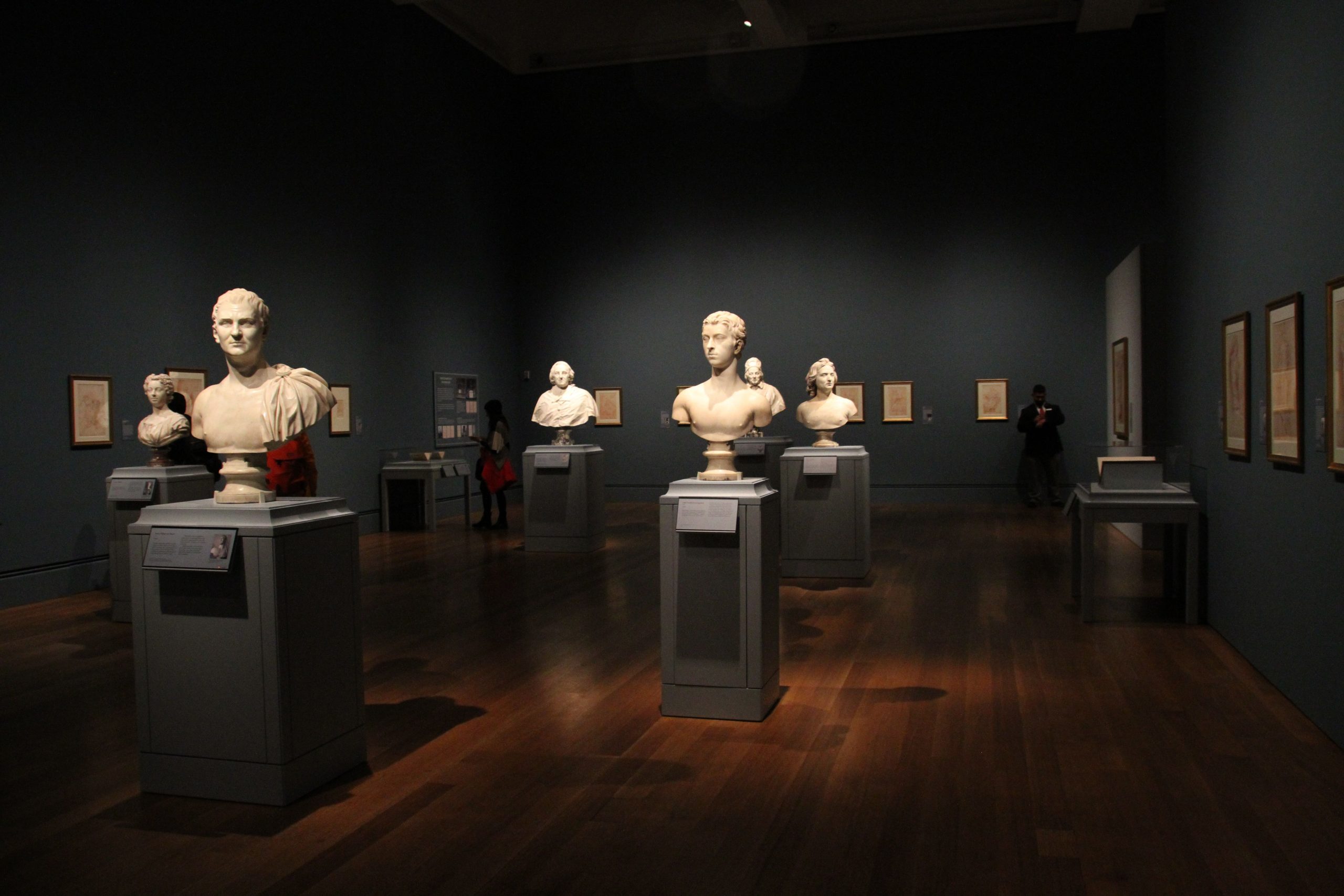
There is a particular kind of atmosphere that settles over a gallery in the evening. The footsteps disappear, leaving only the soft hum of lights and the occasional sound of a ladder being moved across the floor. Without the rush of opening hours, the space feels different—more intimate, almost as if the artworks themselves are taking a breath.
This is when our team begins its second shift.
An exhibition is often experienced as a finished story. Visitors walk through thoughtfully arranged spaces, pausing in front of pieces that seem perfectly at home beside one another. Yet every exhibition begins long before opening night, with countless conversations, sketches, and decisions that are rarely seen.
After hours, we revisit those decisions.
Sometimes it starts with a single painting that doesn’t quite sit where we imagined it would. A few inches to the left can completely change how a work speaks to its neighbors. The height of a frame, the direction of a spotlight, or the amount of space between two pieces can subtly shape the experience of everyone who walks through the gallery.
Curating is, in many ways, an act of listening.
We listen to the stories artists are trying to tell and ask ourselves how those stories connect. What emotions should visitors carry with them from one room to the next? Where should they pause? Which artwork should greet them when they enter?
These questions don’t always have immediate answers.
There are evenings when our curators stand quietly in front of a wall for twenty minutes, considering whether a photograph belongs beside a sculpture or across the room from it. There are moments when an entire layout is reconsidered the night before an exhibition opens—not because something is wrong, but because it could be better.
The preparation behind an exhibition is equal parts planning and discovery.
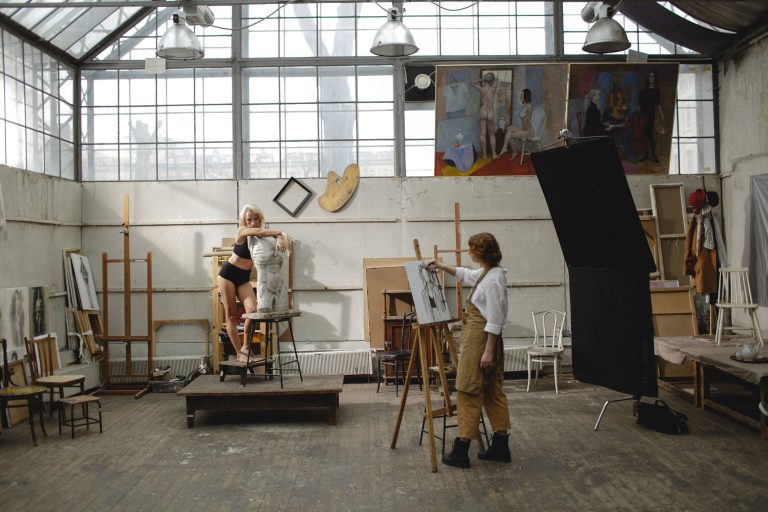
On any given evening, you might find our team carefully adjusting lighting to capture the texture of a canvas or reviewing artist notes one final time before they are displayed. You might hear conversations about color palettes, visitor flow, or the unexpected challenge of hanging a particularly delicate piece.
And, of course, there are the little moments.
A shared cup of tea balanced on a packing crate. Someone stepping back and saying, “That’s it—we’ve found it.” The collective excitement when the final piece is installed and the room suddenly feels complete.
These are the moments that rarely make it into exhibition catalogs, yet they become part of every show we present.
By the time the doors open the next morning, the gallery appears effortless. Visitors see the finished experience—the carefully curated walls, the lighting, the atmosphere. What they don’t see are the hands that measured every distance, the conversations that shaped every decision, and the quiet hours that brought it all together.
So, the next time you visit an exhibition, take a moment to imagine the gallery after dark.
Picture the ladders tucked into corners, the curators in conversation, and the final adjustments being made beneath the glow of gallery lights. Behind every wall is a story, and behind every exhibition is a team working long after closing time to create something worth sharing.
And in those quiet hours, when the world outside has gone still, the gallery continues its work—one thoughtful detail at a time.